December 5, 2024
Face Protection: Safeguarding Against Workplace Hazards
What is Face Protection?
Face protection refers to a category of personal protective equipment (PPE) designed to safeguard the face, including safety glasses, goggles, respirators, and various types of face shields. It protects the eyes, nose, and face from workplace hazards like chemical burns, airborne particles, and radiation. Industries such as manufacturing, construction, and healthcare.
Why Use Face Protection Equipment?
According to the Centers for Disease Control (CDC), approximately 2,000 workers sustain eye injuries daily due to a lack of proper face protection, with one-third requiring emergency care. Some injuries result in permanent blindness. Beyond eye injuries, other hazards put workers at risk, underscoring the importance of protective equipment.
Common Hazards Prevented by Face Protection:
- Physical Impact: Workers in construction, carpentry, and mining are at risk of debris such as wood chips, metal fragments, or concrete striking the eyes.
- Chemical Splashes and Burns: Laboratory technicians, chemical plant operators, and wastewater workers face potential injuries from caustic substances without suitable PPE.
- Toxic Fumes: Firefighters, cleaners, airline staff, and healthcare workers may suffer airway irritation or asphyxiation without respirators.
- Biological Agents: Medical personnel and laboratory workers risk exposure to diseases, carcinogens, and mutagens without proper protective gear.
- Heat and Flames: Welders and metalworkers face sparks and radiant energy that can damage the eyes and skin.
- Airborne Particles: Dust from natural disasters, volcanic eruptions, or construction sites can harm the eyes and lungs, as noted by the World Health Organization (WHO).
Types of Face Protection Equipment
Face protection comes in various designs tailored to specific hazards and job functions.
- General Safety Glasses: Made from hard, clear plastic, these impact-resistant glasses have wide frames to protect the eyes.
- Dust Goggles: Tight-fitting goggles with foam or rubber seals to block fine particulates.
- Fluid-Resistant Shields: Prevent biological fluids from reaching the face but are unsuitable for caustic liquids.
- Chemical Splash Goggles: Cover the eyes and upper face to guard against chemical splashes.
- Laser Safety Glasses: Filter specific light wavelengths to prevent eye damage.
- Full Face Shields: Made of hardened plastic, extend from the forehead to the chin, offering broad protection, some comes with UV protection.
- Welding Masks: Like full face shield, but welding masks are made of heat-resistant materials that protect against sparks, radiant energy, and metal splatter.
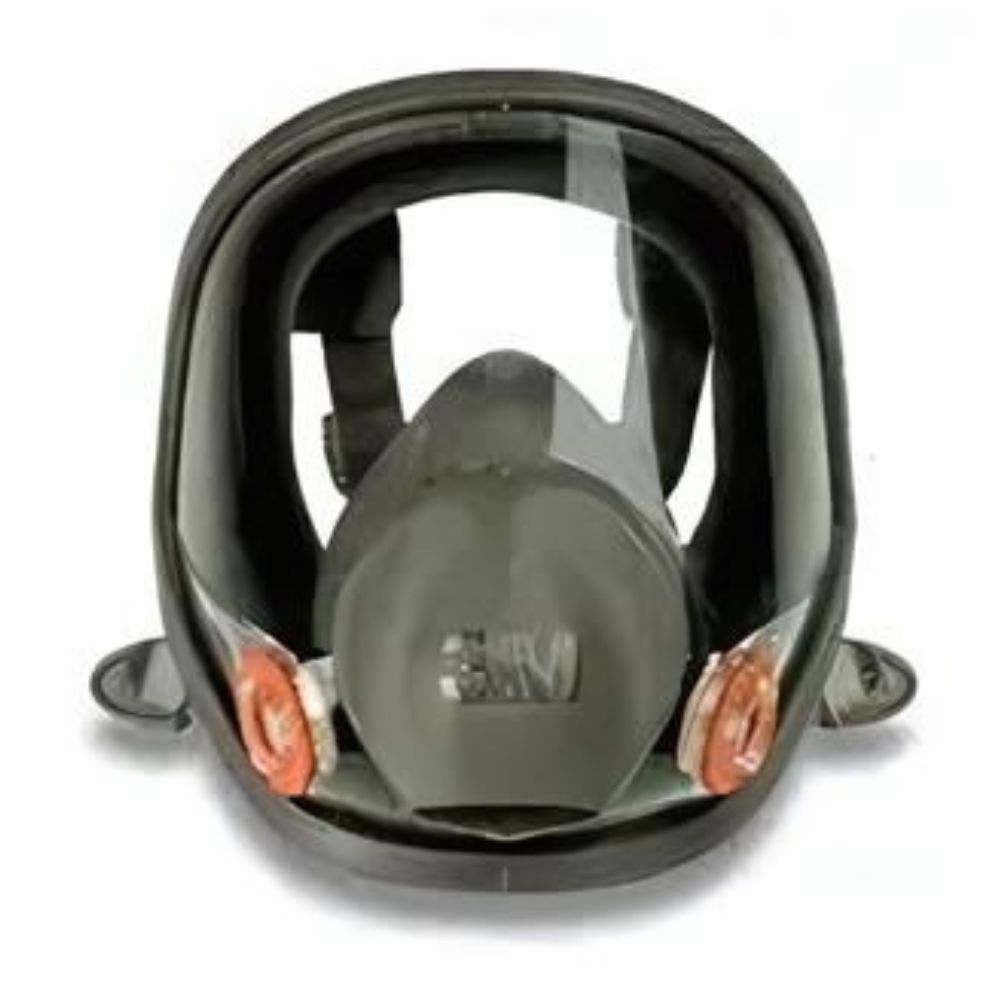
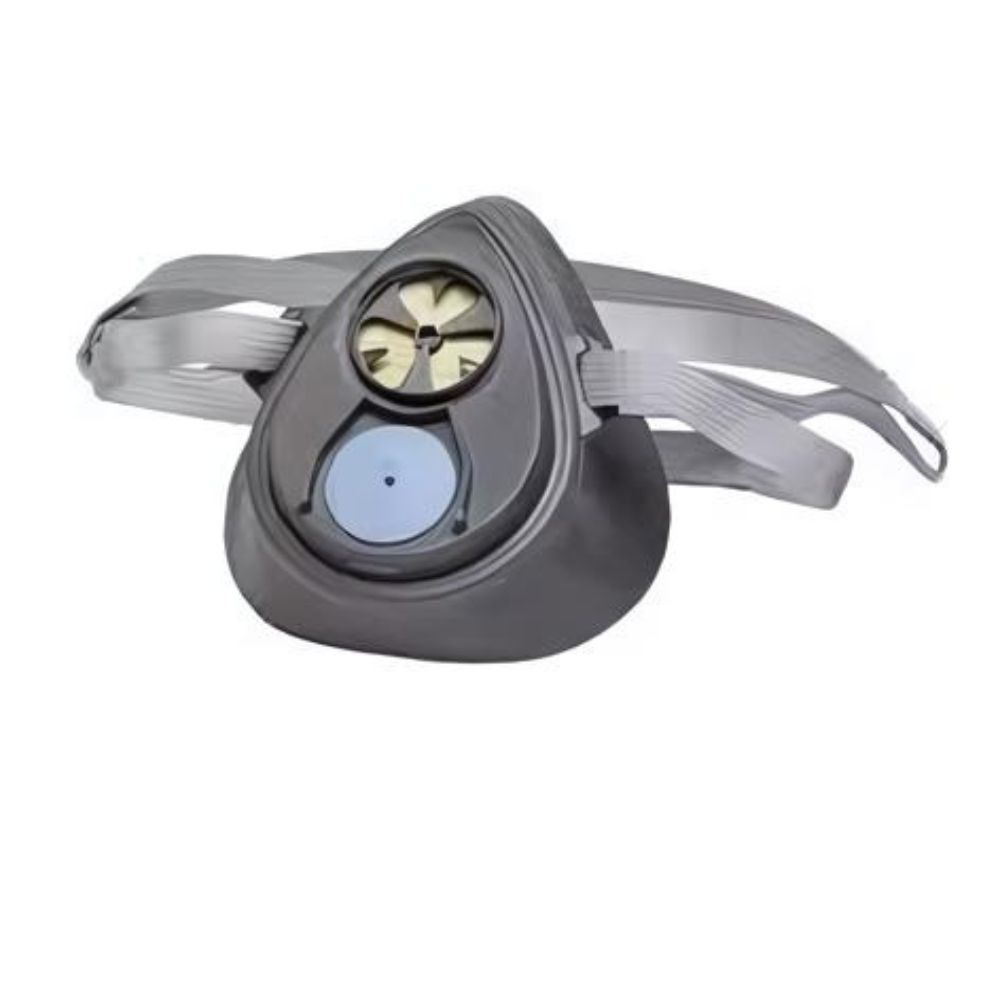
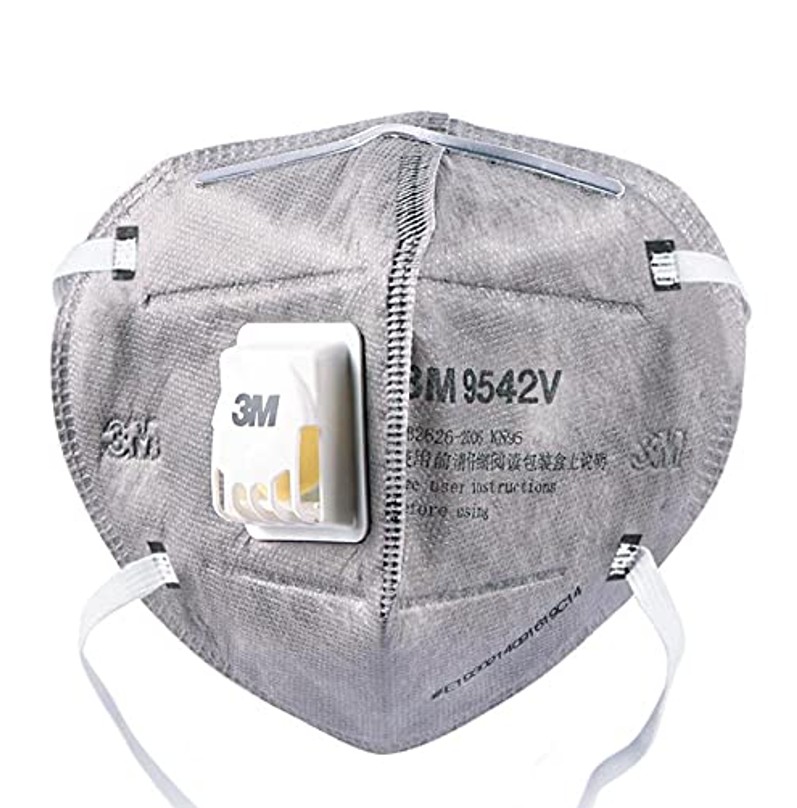
- Respirator Masks: N95 masks provide a tight seal and filter microscopic particles, ideal for healthcare settings.
- PAPR (Powered Air Purifying Respirators): Full-face protection with HEPA filters, suitable for high-risk environments with aerosol exposure.
Choosing the Right Face Protection Equipment
Selecting appropriate PPE is crucial for ensuring worker safety. Key considerations include:
- Nature of the Hazard: Ensure the PPE matches the specific risks. For example, fluid-resistant shields should not substitute for chemical splash goggles.
- Compliance with Standards: Refer to regulatory guidelines such as ANSI Standard Z87.1 and OSHA mandates before purchasing.
- Comfort and Fit: PPE should accommodate specific needs, such as providing alternatives like PAPRs for individuals with respiratory conditions.
- Durability and Maintenance: Select materials that offer robust protection and evaluate ease of cleaning and upkeep.
- Training and Education: Conduct sessions to teach workers the importance of PPE, proper donning/doffing procedures, and maintenance practices.
By prioritizing the correct use of face protection, employers can significantly reduce workplace injuries and ensure a safer working environment.