February 26, 2026
Surgical Tape in Veterinary Practice: What Works, What Doesn’t, and What Your Clinic Should Be Using
Walk into any veterinary clinic and you will find surgical tape somewhere on the shelf. It is one of those supplies that every clinic stocks but not every clinic thinks deeply about. Most people grab whatever is available without considering whether it is actually the right choice for the animal they are treating.
But the truth is that the wrong surgical tape can cause skin irritation, pull out fur, slow healing, or fail to hold properly. When working with animals that cannot communicate discomfort, choosing the right tape becomes even more important.
At Bergamot, we supply wound dressings and medical supplies trusted by healthcare and veterinary professionals. We understand that everyday tools directly affect patient care, including surgical tape. That is why we explain everything clearly, so your clinic can always choose the right product.
What Is Surgical Tape and Why Does It Matter in Veterinary Practice?
Surgical tape is an adhesive tape used in medical and veterinary settings to secure dressings, bandages, and tubing. While simple, it plays an important role in protecting wounds and supporting recovery.
In veterinary practice, tape must work on different animals with different skin and coat types. What works for a dog may not suit a cat or rabbit. Good surgical tape should hold securely, be gentle on skin and fur, and stay in place even when animals move or interfere with their bandages.
Using the wrong tape can cause skin irritation, pull out fur, or allow dressings to slip. This can expose wounds, cause discomfort, and delay healing.
The Different Types of Surgical Tape Veterinary Clinics Use
Understanding what is available is the first step toward making better choices. Here are the main types of surgical tape used in veterinary settings:
1. Hypoallergenic Surgical Tape
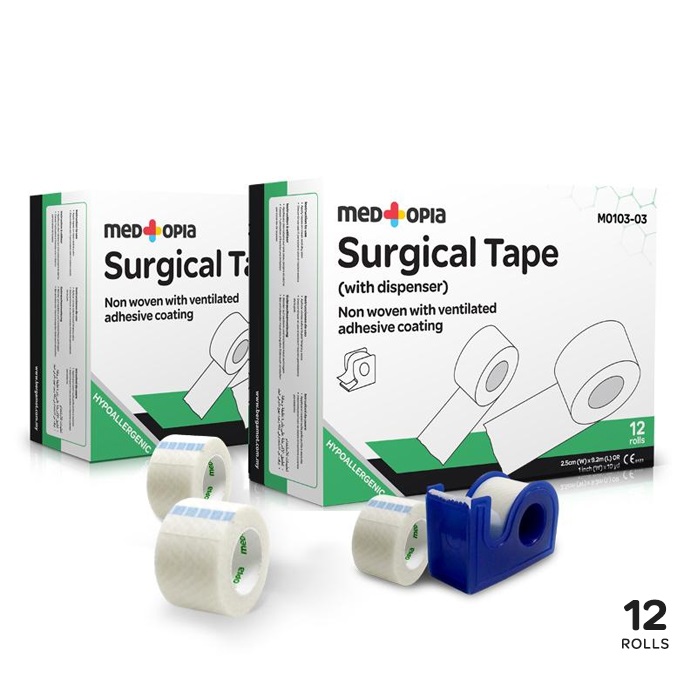
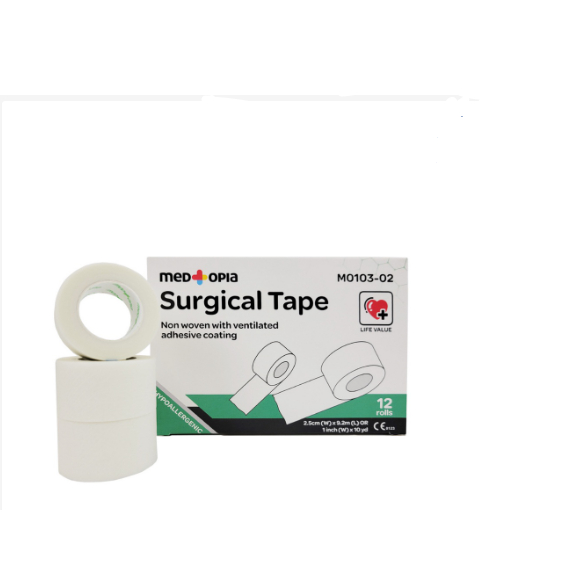
Designed for patients with sensitive skin or known allergies to adhesives. It uses a gentler adhesive that bonds well without triggering skin reactions. In veterinary practice this is especially useful for animals with sensitive skin, animals that have had reactions to tape before, and patients that will need long term or repeated taping during recovery.
2. Surgical Paper Tape
One of the most widely used options in veterinary clinics. It is made from a breathable paper material with a gentle adhesive that holds well but releases without causing trauma to the skin or coat. It is lightweight, easy to tear by hand, and works well for securing light dressings and tubing.
3. Cloth Surgical Tape
A stronger, more durable option. It is made from woven fabric and has a stronger adhesive backing. It is good for situations where a secure hold is needed over a longer period or where the animal is more active and likely to disturb the dressing.
4. Foam Surgical Tape
Soft and flexible, which makes it comfortable for the patient. It conforms well to irregular body surfaces and is a good choice for areas that move frequently, like joints or limbs.
5. Transparent Surgical Tape
Thin, clear, and allows visual monitoring of the site underneath without removing the tape. It works well for securing IV lines, catheters, and light dressings where visibility matters.
Each type has its place in a well stocked veterinary clinic. Knowing which one to reach for in each situation is what separates good tape management from guesswork.
What Is Hypoallergenic Surgical Tape and When Should You Use It?
Hypoallergenic surgical tape is designed to reduce the risk of allergic reactions. The adhesive is gentler than standard tape, making it safer for animals with sensitive skin or those requiring longer wear.
You should use hypoallergenic surgical tape when:
The animal has a history of skin reactions
If previous tape caused redness, swelling, or irritation, switching to a hypoallergenic option helps prevent further problems.
The animal has naturally sensitive skin
Some breeds, such as Bulldogs, Shar Peis, and Boxers, are more prone to skin sensitivity. Using gentler tape from the start reduces the risk of irritation.
The tape needs to stay on longer
Longer use increases the chance of reactions. Hypoallergenic tape is safer for extended wear.
You are treating small or exotic animals
Animals like rabbits, guinea pigs, and ferrets have delicate skin that can be easily damaged by stronger adhesives.
Modern hypoallergenic surgical tape holds securely, is easy to use, and removes cleanly, making it a reliable choice for most veterinary situations.
Understanding Surgical Paper Tape in Animal Care
Surgical paper tape is a common choice in veterinary clinics because it is affordable, easy to use, and gentle on most animals. It is made from thin, breathable paper with a pressure sensitive adhesive, allowing it to tear easily by hand and reduce moisture buildup on the skin.
Surgical paper tape works well for:
Securing light dressings
It keeps dressings in place without putting too much stress on the skin or fur.
Holding IV lines and catheters
It provides a gentle but reliable hold and can be removed or adjusted easily.
Labeling and organisation
The surface is easy to write on, making it useful for identifying medications or patient details.
Post operative care on delicate areas
It is suitable for areas with thin skin or light fur where stronger tape may cause damage.
However, surgical paper tape is less effective in high moisture areas or on parts of the body that move frequently. In these cases, a stronger tape is the better option.
What Works and What Doesn’t: Common Surgical Tape Mistakes in Veterinary Settings
Even experienced veterinary professionals can make mistakes when using surgical tape. Knowing what to avoid helps improve patient comfort and treatment outcomes.
Using the same tape for every situation
Different animals and wounds need different tape types. Keep a variety of options and choose based on the specific case.
Applying tape too tightly
Tape should secure the dressing without restricting circulation. You should be able to slide a finger under it comfortably.
Not preparing the skin or coat
Tape sticks best on clean, dry areas. Clipping excess fur helps improve adhesion and prevents early failure.
Removing tape too quickly
Fast removal can cause pain and skin damage. Always remove tape slowly and in the direction of fur growth.
Using expired tape
Old tape loses its adhesive strength and may not hold properly. Check expiry dates and rotate stock regularly.
Ignoring signs of skin reactions
Redness, swelling, or irritation are warning signs. Remove the tape and switch to a hypoallergenic option if needed.
How to Choose the Right Surgical Tape for Different Animals
Choosing the right surgical tape depends on the animal’s size, skin sensitivity, and activity level.
Small animals like cats and small dogs
Gentle options such as surgical paper tape or hypoallergenic tape are best. Their skin is more sensitive, and stronger adhesives can cause irritation or fur damage.
Large and active dogs
Stronger cloth or foam tape provides better hold, especially for active or working dogs. Proper skin preparation also helps improve adhesion.
Horses and large animals
These animals need tape with stronger adhesion to handle moisture, movement, and outdoor conditions. Tapes designed for larger surface areas work best.
Exotic animals and small mammals
Always use the gentlest option. Hypoallergenic surgical tape is ideal for rabbits, guinea pigs, ferrets, and birds with delicate skin.
Tips for Better Tape Application and Removal in Veterinary Practice
Proper tape technique improves patient comfort and healing. Keep these tips in mind:
Prepare the surface
Clean, dry skin holds tape better and lowers infection risk. Clip fur if needed for better adhesion.
Use the right amount
Secure the dressing without over-taping, which can restrict movement or cause discomfort.
Warm the tape in cold conditions
Cold tape sticks less effectively. Hold it briefly in your hands before applying for better adhesion.
Remove tape slowly
Pull tape back on itself at a low angle instead of straight up to reduce skin and fur trauma.
Use adhesive remover when needed
Veterinary-safe adhesive removers make removal easier and gentler. Keep some on hand in the clinic.
Conclusion
Surgical tape may seem minor, but for animals that cannot voice discomfort, choosing the right tape is crucial. It protects wounds, keeps dressings secure, and makes recovery easier.
From hypoallergenic tape for sensitive patients to surgical paper tape for everyday use, knowing your options helps you provide better care for every species.
At Bergamot, we supply a full range of surgical tape and medical supplies trusted by veterinary professionals. The right tools make all the difference, and your patients deserve nothing less.